Quick Summary
This step-by-step guide explains how to make a perfect cup of tea using fresh water, correct measurements, and precise brewing time. Learn the right tea-to-water ratio, ideal steeping time, and simple adjustments for strength, milk or sweetness, so every cup tastes consistent, balanced, and satisfying.
What Is Tea?
Tea is a beverage made by steeping processed leaves of the Camellia sinensis plant in hot water. Depending on how the leaves are grown, oxidized, and dried, tea can be classified into varieties such as black, green, oolong, white, and pu-erh.
Tea is enjoyed worldwide for its flavor, aroma, and functional benefits. It naturally contains antioxidants and compounds that support alertness, digestion, and daily hydration. When brewed correctly, tea offers a balanced combination of taste, comfort, and ritual, making it one of the most widely consumed drinks after water.
Some cups taste fine. Others make you pause, breathe, and think, yes, that’s the one. The difference isn’t luck. It’s tiny choices, fresh water, a hot pot, a measured spoon, and a sensible timer. Follow this once and you’ll have a repeatable method you can tweak to your taste without fuss.
Before we get going, keep this simple hack in mind: How to brew a perfect cup of tea step by step. It’s a nudge to stay calm and go in order. Tea rewards patient, tidy habits.
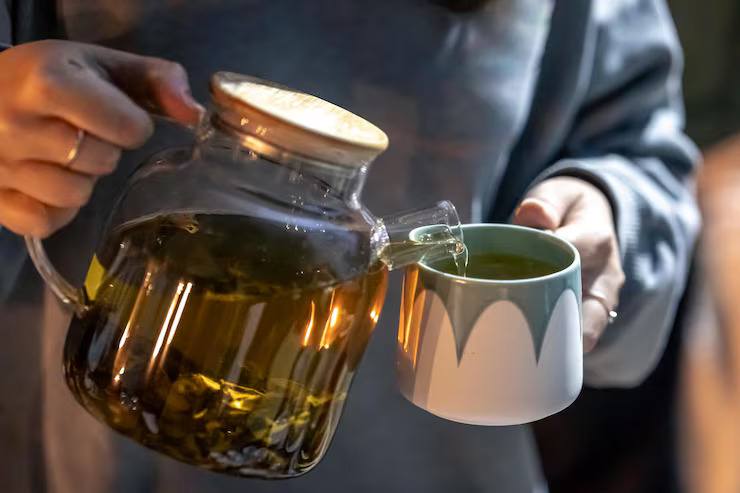
What You’ll Need
- Fresh cold water
- Kettle (electric or stovetop)
- A teapot or a mug with a wide infuser
- Loose-leaf tea or good tea bags
- A teaspoon for measuring
- Milk or lemon (optional)
- Sugar, honey, or jaggery (optional)
If you like a bold, malty cup, Assam Tea is a safe everyday choice. You can easily buy Assam Tea Online from sellers who list harvest dates and grade, as freshness and clear labeling matter more than fancy packaging.
Why Method Beats Guesswork
Guessing gives you a surprise; the method gives you comfort. When you boil fresh water, pre-warm the pot, and measure the leaf, you ensure the flavor is consistent. That’s how your Tuesday cup tastes like your Saturday cup, steady and satisfying, not hit and miss.
Choose Your Tea: Loose Leaf vs Bags
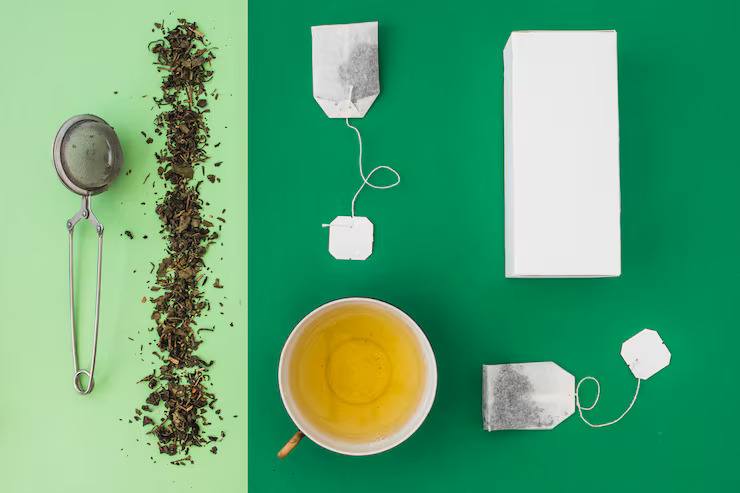
Loose leaf usually carries more aroma and a cleaner finish because the leaves have room to unfurl. Tea bags are quick and tidy. Both can be good if the tea itself is decent.
A Quick Rule of Thumb
- One level teaspoon (about 2–2.5 g) loose leaf per 250 ml cup
- If brewing a pot: one teaspoon per cup, plus one “for the pot”
- Tea bag: one per cup, two for a large mug
If you’re building a daily habit, start with a solid Assam Tea or English Breakfast Tea. For lighter afternoons, try special Darjeeling tea or a gentle blend.
Step 1: Get Some Clean Water
Put cold water back in the kettle. Don’t cook leftovers from yesterday again. When you boil water again, it loses dissolved gases and tastes flat—flat water yields flat brew. You want a rolling boil for black tea, like the one from Assam. It’s best to use colder water for green tea and white tea, but today we’ll talk about the typical black tea that most people prepare at home.
A quick look at the temperatures and the brewing time.
| Tea Type | Ideal Water Temperature | Recommended Brew Times |
| Black Tea | 98–100°C(just boiled) | 3-5 mins |
| Oolong Tea | 85–95°C | 2-3 mins |
| White Tea | 75–85°C | 1-2 mins |
| Green Tea | 75–85°C | 2 mins |
If your tap water tastes like chalk, try a simple filter. You’ll notice the boost in smell right away.
Step 2: Warm up the pot or mug first
Put some hot water in your empty pot or cup, swirl it around, and then pour it out. When the actual water comes, this maintains the brewing temperature consistently. It’s a small step that makes a significant impact, especially in the cold.
Step 3: Measure the Tea
Use the teaspoon. Not your eye. Not your “that looks about right” mood. Measured leaf gives you control. If the cup is too bold, reduce half a teaspoon next time. If too light, add a touch more. You’re tuning, not gambling.
Little reminder here: How to make tea at home step by step is really just measure, pour, wait, taste. Simple, on purpose.
Step 4: Pour and Cover
Once the kettle hits a boil, pour straight away over the leaves. Aim for a steady stream that fully covers the tea, allowing it to move if you’re using a teapot with the lid on. If you’re using a mug infuser, make sure the basket is deep enough for water to circulate. No swirling now. Let it sit.
Step 5: Time It Properly
Use a timer. Your phone is fine. The clock in your head is not.
Timing guide for black tea
- 3 minutes: brighter, lighter body
- 3½–4 minutes: balanced, everyday cup
- 4½–5 minutes: deeper color, more body
Start at 3½ minutes for a regular black tea. Taste. If you take milk and like a robust brew, aim nearer 4 minutes tomorrow. Keep a quick note on your fridge. After a week, you’ll brew on instinct with results you can trust.
Step 6: Taste, Then Adjust
When the timer ends, remove the bag or lift out the infuser. Don’t squeeze the life out of a tea bag; that last press can add harshness. Sip first with no additions. Learn the leaf. Then adjust.
Milk first or after?
Both work. Milk can first protect your hands from sudden heat if your tea is fiercely hot. Milk after helps you judge color and strength by eye. Choose what suits you. In Assam, many prefer adding milk in small amounts afterward to keep the malt rounded and not heavy.
Sweeteners
Sugar softens a brisk edge. Honey adds a light floral note. Jaggery gives gentle warmth. Add a little, stir, taste, and stop when the flavors feel balanced rather than buried.
Step 7: Serve While It’s Lively
Great tea has a small window where aroma blooms and the cup feels bright. Pour now. Take a moment to notice the color, deep copper for Assam tea with milk, clear bronze if you take it black. That tiny pause is part of the ritual.
If you’ve run out of your favorite leaf, remember you can buy Assam Tea Online in smaller packs so it stays fresh. Store it well, and it will greet you kindly each morning.
Quick Fixes That Work
Bitter?
Likely over-extracted. Next time, drop the time by 30–45 seconds or use a touchless leaf. Make sure your water isn’t sitting at a fierce boil on a hob; pour as it peaks.
Weak or watery?
Use a bit more tea or give it 30 seconds more. Confirm you started with freshly boiled water and that your pot was pre-warmed.
Dull?
Try filtered water and fresher tea. Also, check storage; tea hates light, heat, moisture, and strong smells. Keep it away from spices and coffee beans.
Curdling with lemon?
Don’t mix lemon and milk. Pick one. If you want a citrus lift with milk, choose a brighter blend rather than adding a slice.
Teaware: Use What You Have, Upgrade Slowly
Teapots
Ceramic holds heat well and is forgiving. Glass lets you admire the color, handy for lighter teas. Cast iron is beautiful but heavy; pre-warm it generously. Whatever you use, rinse after brewing and dry with the lid off to avoid stale smells.
Infusers
Go for wide baskets. Tiny ball infusers pinch the leaves and restrict flow, which can dull flavor. A mug with a deep, wide stainless-steel basket is a practical upgrade for weekday cups.
Kettles
Temperature-control kettles are nice if you drink a lot of green or white tea. For everyday black tea, any reliable kettle is fine. The important bit is fresh water and the timing of your pour.
Water: Quietly the Most Important Ingredient
Tea is mostly water. If your area has very hard water, a simple jug filter helps keep flavors clear. Don’t get lost in the weeds, though. Fresh, cold, just-boiled water perfectly covers most people’s needs.
Everyday Styles You Might Like
Builder’s Comfort
- Black tea, full boil
- 4 minutes, a touch more leaf
- Milk to taste, small sugar if you prefer
- A sturdy, coppery cup that stands beside toast and eggs
Lighter Afternoon
- Black tea, full boil
- 3–3½ minutes
- No milk or just a splash
- A clean, bright cup that doesn’t swamp a slice of cake
Quick Mug Between Tasks
- Good bag in a pre-warmed mug
- Boil, pour, 3½ minutes
- Remove the bag, adjust the milk
- Back to your desk before the email pings again
Hosting Without Drama
Brewing for friends? The same rules scale. One teaspoon per cup, plus one for the pot. Set the timer. When it’s done, take the leaves out so the second pour doesn’t turn harsh. Keep a small jug of hot water nearby for anyone who prefers a slightly lighter cup.
Storing Tea So It Actually Stays Fresh
- Airtight tin or pouch
- Cool, dark cupboard
- Away from spice jars and coffee
- Buy smaller amounts more often rather than one huge bag
A tiny habit that helps: write the open date on a bit of tape and stick it to the tin. You’ll finish the tea at its peak rather than a month past its peak.
Putting It All Together
- Fill the kettle with fresh cold water and bring it to a boil.
- Pre-warm your teapot or mug. Tip out the water.
- Measure the tea: one teaspoon per cup, plus one for the pot if needed.
- Pour just-boiled water over the tea. Lid on if using a pot.
- Steep for 3½–4 minutes for an everyday black tea.
- Remove the leaves or bag. Taste first. Adjust with milk or sweetener if you like.
- Pour and drink while it’s lively.
That’s the entire routine. It’s ordinary, which is the point. Ordinary things, done well, make a day feel steadier.
A Short Note on Assam Tea

Assam Tea gives you a reliable body and a friendly malt note that takes milk gracefully. It’s as happy with a biscuit as it is with breakfast. If you’re building a daily ritual, it’s hard to beat. When you’re ready to explore estates and grades, start small and compare. Two 100 g packs will teach you more than one giant bag you tire of.
If you’re low on stock, it’s simple to buy Assam Tea Online from trusted sellers who share the origin and season. That little bit of transparency usually lines up with better care from leaf to pack.
Small Upgrades That Pay Off
- A wide infuser basket for proper water flow
- A cheap kitchen timer stuck to the fridge
- A basic water filter if your tap water tastes heavy
- A clean, dry pot (lid off) after each brew
- Pre-warming in every season, not just winter
Why This Works (And Keeps Working)
The method respects the leaf and your time. Fresh water keeps the cup bright. Pre-warming stops heat shock. Measuring takes luck out of the picture. Timing avoids that last-minute slide from perfect to bitter. None of this is showy. You’re just helping hot water meet tea in the best way, then getting out of the way.
Conclusion: Your Everyday Invitation
Tomorrow morning, try it. No drama. Kettle on. Pot warm. Spoon out the leaf. Pour, wait, sip. If the cup feels a touch strong, trim 20 seconds next time. If it feels a bit shy, add a pinch of tea. You’ll find your groove quickly, and the joy is that it stays found.
And if you fancy a malty, no-nonsense brew for daily drinking, go ahead and buy Assam Tea online in a sensible size. Keep it in a tin. Write the open date. Make a cup you look forward to, even on an ordinary Tuesday. Assam Tea is well-known for its malty body and strength, making it ideal for everyday black tea with milk.
At Halmari Tea, we put generations of Assam craftsmanship into every leaf so your daily cup feels consistently bright, malty, and honest. We’d love to be part of your brewing ritual and help you taste the difference fresh, carefully curated tea makes.
Explore our latest harvests and order direct today; shop Halmari Tea now!