Quick Summary
Hibiscus tea, made from the vibrant Hibiscus sabdariffa flower, is more than a refreshing herbal drink, it’s a natural skincare booster, whether you drink it or apply it directly to your skin. Rich in antioxidants, vitamin C, and natural acids, hibiscus supports collagen production, improves skin hydration, gently exfoliates dead skin cells, and reduces signs of aging. This blog covers both the internal (drinking) and topical (DIY skincare) benefits of hibiscus tea, including brightening, soothing irritation, preventing acne, and how to actually use it in your routine.
What is Hibiscus Tea?
Hibiscus tea is a tart, crimson herbal infusion made from the dried flowers of Hibiscus sabdariffa, valued both as a beverage and, when cooled, as a topical skincare ingredient.
Often enjoyed hot or cold, this herbal tea is not only a refreshing drink but also a powerhouse of health benefits. Originating from Africa, hibiscus tea has been a staple in traditional medicine for centuries, praised for its potential to improve heart health, aid digestion, and boost the immune system.
Rich in antioxidants such as flavonoids, phenolic acids, and anthocyanins, hibiscus tea helps combat oxidative stress and inflammation in the body. These properties make it particularly beneficial for maintaining overall health and wellness.
Drinking vs. Topical Use: How Hibiscus Tea Works
Hibiscus tea benefits your skin in two distinct ways which are as follows:
- Drinking hibiscus tea supports overall skin health through antioxidant intake, which may help protect skin cells from oxidative damage over time. Its high vitamin C content supports collagen production, which is important for skin elasticity and firmness
- Applying hibiscus tea topically delivers direct contact with its natural acids and antioxidants, which is where exfoliation, brightening, and pore-tightening effects actually come from.
Hibiscus tea is especially valued for its powerful skin-enhancing properties, earning it the name ‘botox herb’ in natural skincare.
Benefits of Hibiscus Tea on Skin
Hibiscus supports skin health through antioxidants, natural acids, and anti-inflammatory compounds, sometimes nicknamed the “botox herb” in natural skincare circles, though that’s a colloquial label rather than a literal comparison to clinical Botox.
| Benefit | Best Achieved By |
| Anti-Aging & Skin Elasticity | Drinking + Topical |
| Hydrating | Topical |
| Brightening & Reducing Hyperpigmentation | Topical |
| Cleansing | Topical |
| Exfoliating | Topical |
| Soothing Irritation & Redness | Topical |
| Prevents Acne and Breakouts | Drinking + Topical |
| Pore-Tightening & Astringent Effect | Topical |
| Balances Oily & Combination Skin | Topical |
| Reduces Under-Eye Puffiness | Topical (chilled) |
1. Anti-aging & Skin Elasticity
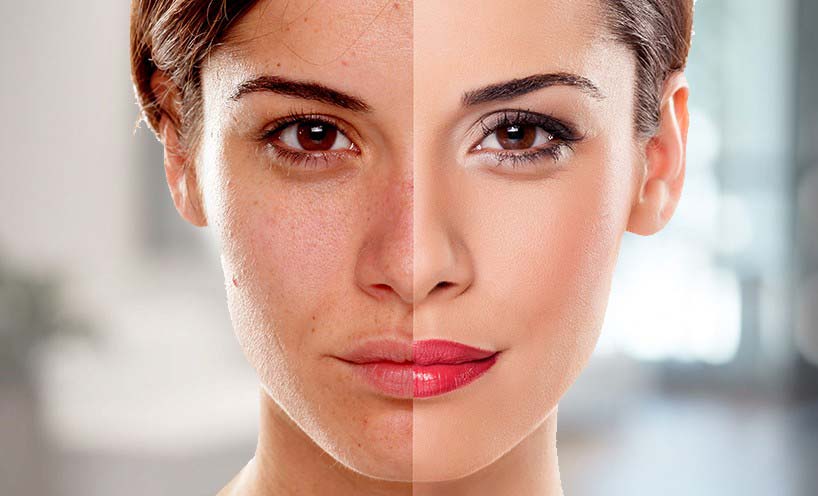
The antioxidants in hibiscus, particularly anthocyanins, help protect the skin from environmental stressors like UV rays and pollution that can accelerate aging.
A randomized crossover study in healthy human volunteers found that drinking an aqueous hibiscus extract significantly raised antioxidant markers in the blood and increased a validated marker of polyphenol intake, while reducing a key marker of oxidative stress.
Hibiscus’s high vitamin C content also supports collagen production, the protein responsible for skin’s structure and resilience. Regularly drinking the tea and/or applying it topically may help strengthen the skin’s connective tissues over time, reducing the appearance of fine lines and sagging and contributing to a smoother, firmer, more toned texture.
2. Hydrating
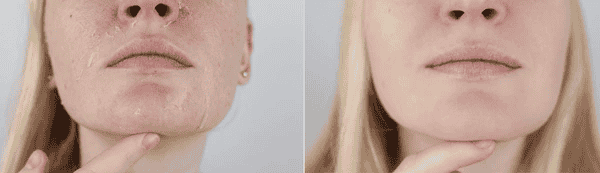
Hibiscus is rich in mucilage, a naturally sticky compound that helps skin retain moisture, tighten the skin, contributing to a more youthful, radiant appearance when used as part of a topical routine making it useful for dry or dull-looking skin.
3. Brightening & Reducing Hyperpigmentation
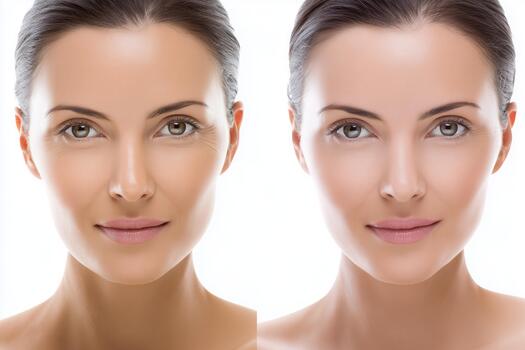
Malic acid, one of hibiscus’s key natural acids, exfoliates the skin, fades dark spots and helps control melanin production, from sun exposure, aging, or hormonal changes, contributing to a brighter, more even tone over time.
The high vitamin C content works alongside this by helping reduce excess melanin production, which can further fade dark spots and hyperpigmentation with consistent use.
While hibiscus offers real skin-brightening benefits, it should complement, and not replace professional dermatological care for significant pigmentation concerns.
4. Cleansing
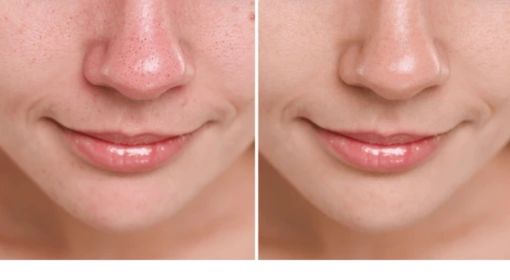
Hibiscus contains saponins, natural cleansing compounds that help exfoliate and clear pores when applied topically.
The acids present in hibiscus also aid cell turnover, which may help control acne breakouts. For best results, hibiscus tea can be enjoyed daily as part of a balanced skincare and wellness routine, both as a drink and, for the cleansing effect specifically, applied topically.
5. Exfoliating
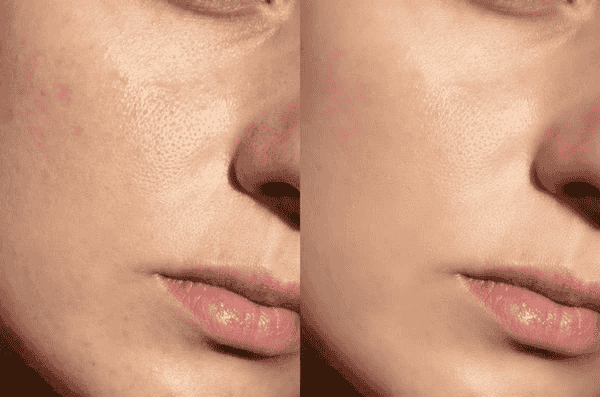
Hibiscus’s citric acid offers gentle exfoliation when applied to the skin, removing dead skin cells for a more radiant appearance.
Since hibiscus is a natural ingredient, it can serve as a mild alternative to chemical-based exfoliants that may cause inflammation and irritation. Compared to many chemical skincare products, hibiscus offers a gentler, plant-based approach to exfoliation.
6. Soothing Irritation & Redness
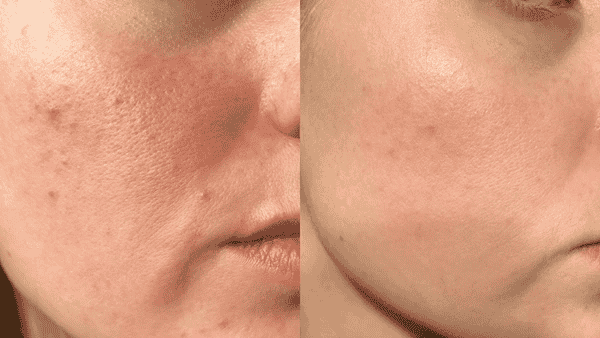
Hibiscus’s anti-inflammatory compounds including beta carotene and anthocyanins help calm irritated, red, or sensitive skin, including rosacea-prone skin or skin prone to redness, while helping strengthen the skin’s barrier against future flare-ups.
These compounds help control inflammation and oxidative stress in the skin, making hibiscus one of the more useful natural options for sensitive skin dealing with irritation, while supporting the skin’s barrier against environmental triggers that can cause flare-ups.
7. Prevents Acne and Breakouts
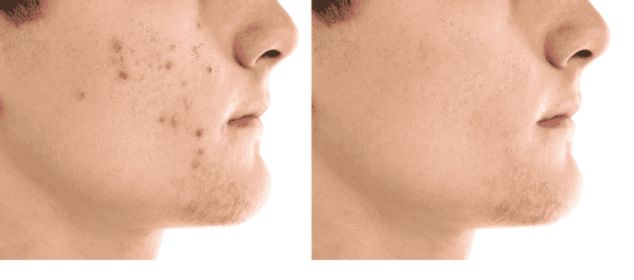
Hibiscus’s antibacterial and anti-inflammatory properties may help reduce redness and swelling associated with acne, while its natural acids help unclog pores and prevent future breakouts.
Drinking hibiscus tea regularly may support the skin from within, while topical use targets breakouts more directly by helping unclog pores. Together, these may contribute to a clearer, healthier-looking complexion over time.
8. Pore-Tightening & Astringent Effect
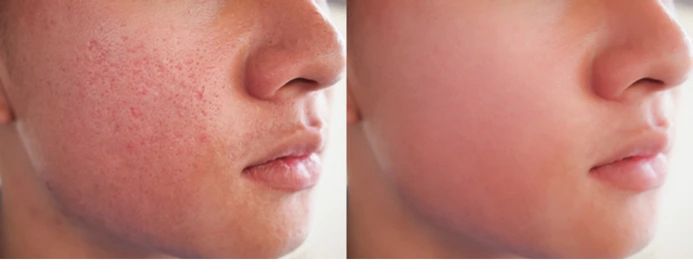
Hibiscus’s natural acids and tannins give it a mild astringent effect, helping to visibly tighten pores when applied topically as a toner or wash.
The astringent effect works on the pores themselves, temporarily minimizing their appearance and leaving skin feeling firmer and smoother to the touch.
9. Balances Oily and Combination Skin

Hibiscus’s acid content helps regulate excess oil production, making it a useful topical option for those with oily or combination skin.
By gently controlling surface oil without stripping the skin, hibiscus can help reduce shine and the buildup that contributes to clogged pores, by gently removing dirt and dead skin, complementing its acne-fighting properties without over-drying the skin the way harsher astringents can.
10. Reduces Under Eye Puffiness
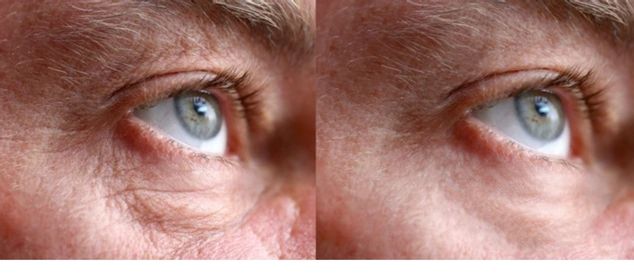
Chilled hibiscus tea may help temporarily reduce the appearance of under eye puffiness when applied as a cool compress, while hibiscus contains antioxidant compounds that may support skin health.
Soaked cotton pads or ice cubes made from brewed hibiscus tea, applied to the under-eye area for a few minutes, offer a simple, natural alternative to store-bought de-puffing treatments, a practical topical use that fits easily into a morning routine.
How to Use Hibiscus Tea Topically
Here are the ways to use Hibiscus Tea topically:
- Toner: steep dried hibiscus in hot water for 10–15 minutes, let it cool completely, then apply to clean skin with a cotton pad. For extra pore-tightening, combine with a small amount of witch hazel.
- Face mask: mix cooled, strongly brewed hibiscus tea (or ground dried hibiscus) with honey or yogurt for a hydrating, brightening mask.You can leave the mask on your face for 15 to 20 mins, then rinse it with water.
- Hair rinse: use cooled hibiscus tea as a final rinse after shampooing to help with shine and scalp health. It helps combat dryness and dandruff while enhancing hair volume, with amino acids that support hair growth and strengthen hair roots.
- Sun protection: hibiscus’s natural AHAs increase photosensitivity. Always apply sunscreen after topical use, especially during the day.
- Patch test: apply a small amount to your inner arm and wait 24 hours before using it on your face, particularly if you have sensitive skin.
This information is for general skincare purposes only and is not a substitute for professional dermatological advice, especially for persistent skin conditions.
Hibiscus Tea vs. Black Tea for Skin
Hibiscus and black tea both offer real skin benefits, but through different mechanisms. Hibiscus leans on natural AHAs for exfoliation and brightening, while black tea’s benefits come more from its polyphenol and caffeine content for circulation and puffiness.
For a full comparison, see our guide: Is Black Tea Good for Skin?
Conclusion
Like most natural remedies, hibiscus tea works gradually rather than overnight. Visible changes in skin texture or tone typically build over weeks of consistent use, whether you are drinking it, applying it topically, or both. Starting simple is the easiest way in: begin with a daily cup, and introduce a topical toner or mask once that becomes a habit, rather than trying every method at once.
Using whole, properly dried flowers rather than heavily processed tea bags makes a real difference in both flavor and the concentration of the acids. Given time and the right starting point, hibiscus earns its reputation as one of the more genuinely useful plants to have in a skincare routine, not just a passing wellness trend.
To explore a wider range of premium, ethically sourced teas crafted for both wellness and indulgence, see our full range of tea collections at Halmari Tea.