Quick Summary
Tea traditions across the world reflect history, culture, mindfulness, and hospitality. From Japanese matcha ceremonies to Moroccan mint tea and Indian masala chai, each ritual showcases unique customs, meanings, and preparation styles. This guide explores the world’s most iconic tea traditions and what makes each one special.
For some, it is a simple morning ritual; for others, a sacred ceremony. Do you know what it is? Yes, it is tea!
More than a beverage, tea has become a significant part of several global cultures. It transforms a humble leaf into a symbol of meditation and hospitality. It is also a great means to connect. Unknown to many, it was ancient China that tried the first tea, marking the early history of tea in China that shaped everything tea represents today. Later, its journey around the world has been a fascinating experience of traditions. Each of them reflects the unique blend of philosophy, history, and social customs.
Let’s embark on a global tour to explore some of the most heart-melting global tea traditions.
Top 6 Global Tea Traditions Around The World
A cup of tea has different meanings in different cultures. It is a time-honored ritual and a reflection of national oneness. Below is an interesting read on six different global tea traditions.
1. Japan: Chanoyu (The Way of Tea)
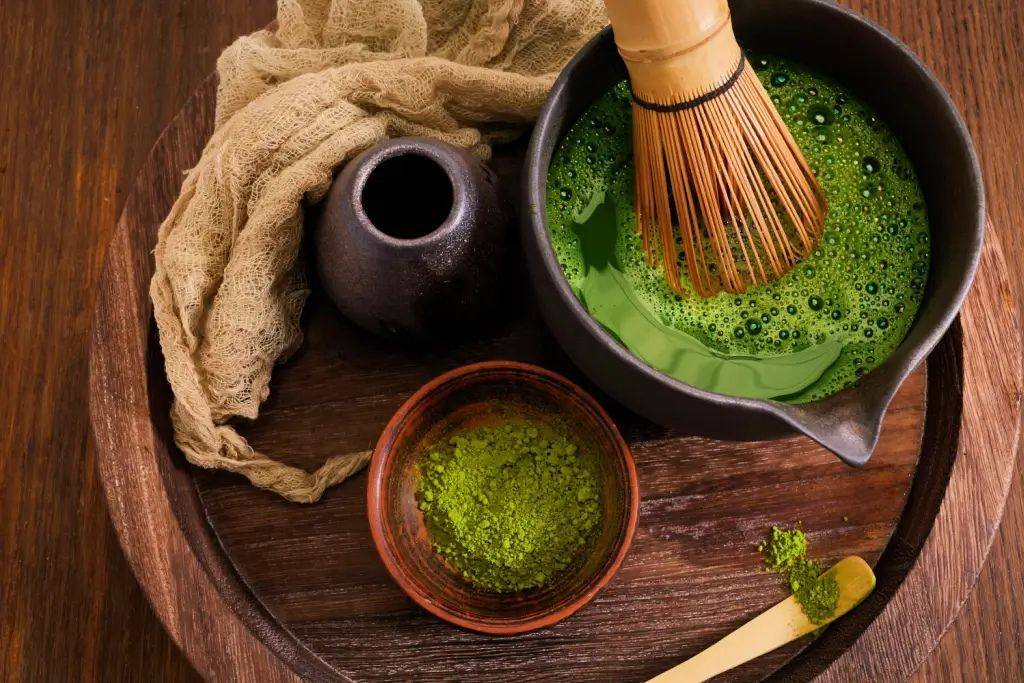
Starting with Japan, the Chanoyu or Chado is The Way of Tea. It is a choreographed morning ritual. It blends with Japan’s aesthetic appearance and spiritual discipline. The tradition roots itself deeper into Zen Buddhism and its principles. It emphasizes harmony (wa), respect (kei), purity (sei), and tranquility (jaku).
The Ceremony: A Japanese tea ceremony takes place inside a dedicated tea room called a chashitsu. The room also features a traditional Japanese garden. Guests cleanse themselves both spiritually and physically before they enter the room. The host is often dressed in a traditional kimono and prepares matcha. It is a form of local green tea made using specific utensils. There is a bamboo whisk (chasen), a tea scoop (chashaku), and a ceramic tea bowl (chawan).
Every step is precise, deliberate, and performed with grace. Guests watch the preparation in absolute silence, appreciating the host’s artistic excellence. The tea is served with delicious traditional sweets called wagashi, creating a serene moment where people also reflect on the benefits of green tea.
Significance: The Chanoyu tradition is performed with great mindfulness and presence. It is a moment to step away from the clutter of the world, embodying the aesthetics of Japan.
2. China: Gongfu Cha (The Art of Making Tea with Skill)
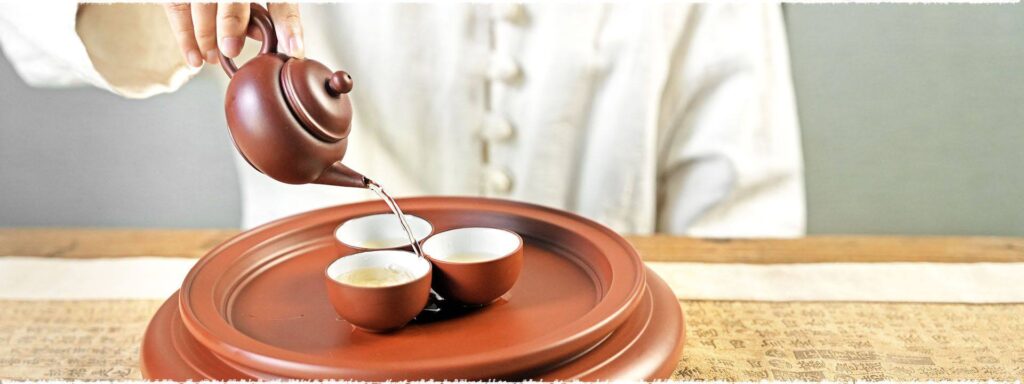
Next, we peep into the birthplace of tea, China. As tea was born here, the Chinese tea culture remains unparalleled. Like us, they also drink tea as a part of their daily ritual. Gongfu Cha (功夫茶) means “making tea with skill” or “effort.” It is a sophisticated preparation method that truly celebrates the tea leaf. It is associated with the oolong and Pu-erh teas. The emphasis is on extracting the pure aroma and flavor through many infusions.
The Ceremony: The Gongfu Cha ritual uses specific small teaware. There is a small teapot (yixing pot or gaiwan), tiny aroma cups (wenxiangbei), and tasting cups (pinmingbei). The tea ceremony starts with ‘waking the tea.’ It is a process where the tea leaves are quickly rinsed. This step washes off all their impurities and prepares them for the infusion. Water is heated to a precise temperature and then poured onto the leaves.
The first infusion of the tea leaves is brief and may be discarded. Some use it to warm the cups. Subsequent infusions are timed carefully to last from a few seconds to a whole minute. Such infusions allow the complex flavors of the tea to unfurl completely. Each infusion offers a different combination of aroma and flavors. The tea is then poured into a “fairness pitcher” (gongdaobei). This ensures that the tea’s strength is maintained before being distributed to the small tasting cups.
Significance: Gongfu Cha is about fully experiencing the tea and appreciating its nuances. It is a great way to share this sensory journey with others.
3. United Kingdom: Afternoon Tea
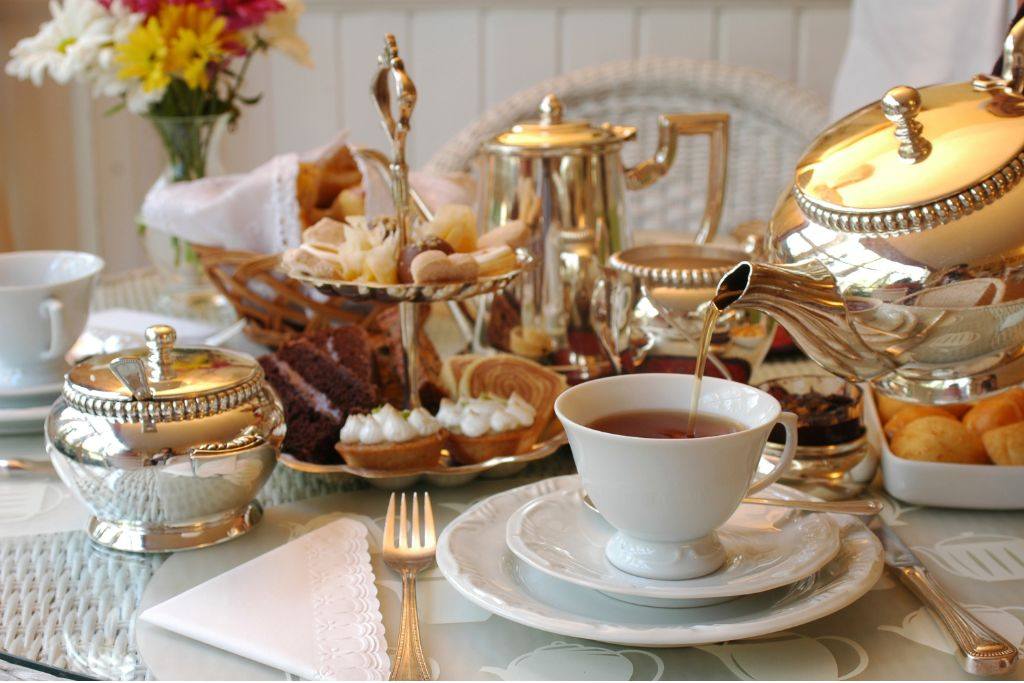
Now, let’s move a little to the West. When one thinks of British culture, Afternoon Tea is the first thing that pops up. It is an elegant tradition of the West to enjoy the afternoon tea.
The tea tradition in the United Kingdom dates back to the mid-19th century. Since then, it has become a symbol of the refinement and social grace of the British.
The Ceremony: Afternoon tea is typically enjoyed between 3:00 and 5:00 pm as a leisurely affair and not just as a tea. The natives love the entire experience. The centerpiece is a tiered stand laden with delicate treats:
- Bottom Tier: Finger sandwiches with various fillings (cucumber, smoked salmon, egg mayonnaise).
- Middle Tier: Scones, often served warm, with clotted cream and preserves (strawberry or raspberry jam).
- Top Tier: An assortment of exquisite miniature cakes, pastries, and tarts.
Tea is usually black, served in fine bone China cups.
Significance: Afternoon Tea is a social occasion in the United Kingdom. People enjoy having a polite conversation, relaxation, and indulgence. It embodies elegance, tradition, and an appreciation of life’s finest pleasures.
4. Russia: Zavarka and Samovar
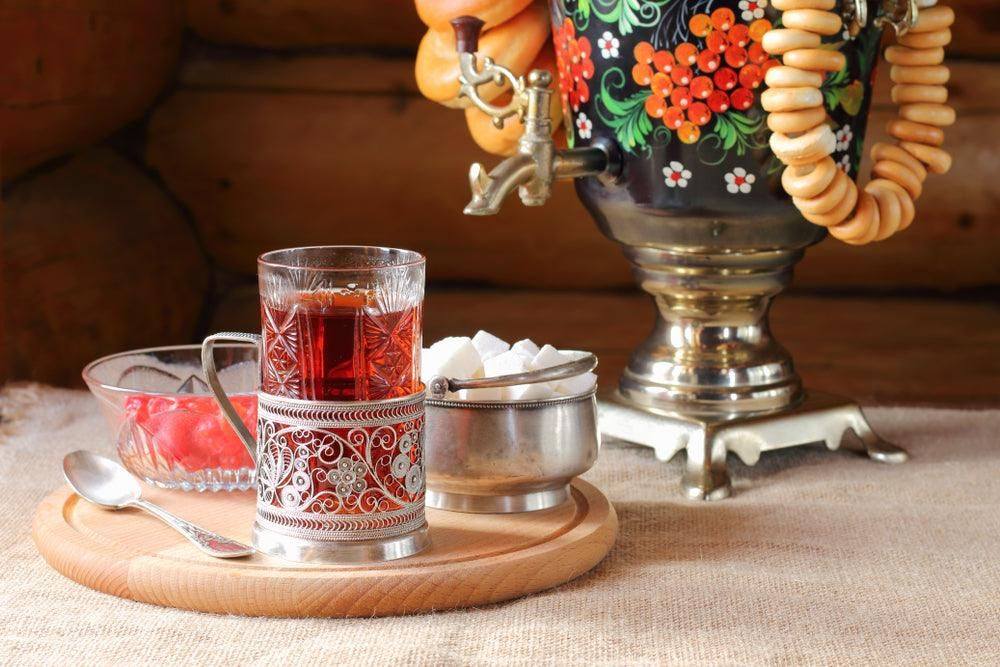
Next comes Russia. The natives do not just have tea for the sake of having it. It represents a cornerstone of their hospitality and family life. It shows how deeply they are intertwined with the iconic samovar. The Russian tea culture dates back to the 18th century, when a metal container was used to boil water.
The Ceremony: Russian tea involves a concentrated tea extract called Zavarka. Strong black tea leaves are adequately brewed in a small teapot to maximize the health benefits of black tea, by placing a samovar over it to keep it warm. A small volume of this strong Zavarka is poured into each cup or glass, topped with hot water from the samovar.
Usually, Russians love to have their tea in clear glasses with metal holders (podstakanniki). It’s often paired with sugar, lemon slices, or a spoonful of jam (varenye) eaten alongside, not mixed into, the tea.
Significance: The samovar is not a tea kettle but a symbol of comfort, warmth, and domesticity. It defines Russian culture inside out.
5. India: Masala Chai
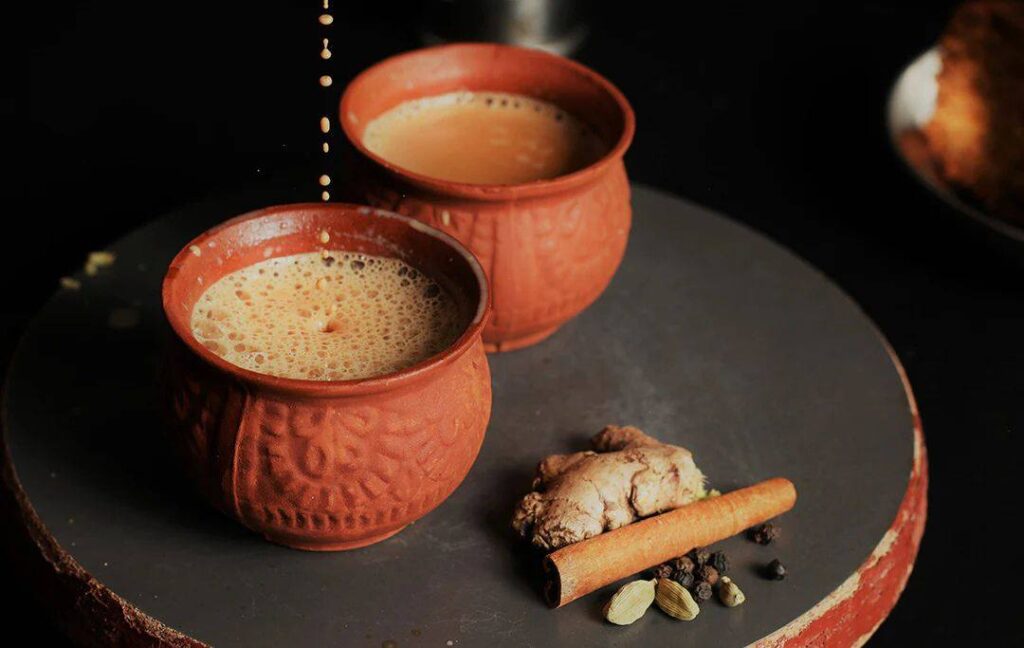
When it comes to tea, how can India stay behind? As one of the world’s largest producers and consumers, Indians love their special Masala Chai. It is a sweet and slightly spicy, milky tea sold in every nook and corner of the country.
The Ceremony: Unlike the West, the focus of Masala Chai is a robust concoction. Black tea is brewed directly with milk, sugar, and a blend of aromatic spices. The spice mix usually contains ginger, cloves, cinnamon, black peppercorns, and cardamom. But there are regional and individual variations too.
The varying flavors of the mixture meld when the mixture is simmered. It is often brought to a rolling boil. Sometimes, you will see a ‘chai walla’ pulling it from a height to aerate and cool.
Significance: Masala Chai is every individual’s everyday comfort. It is a symbol of energy, warmth, and welcome.
6. Morocco: Atay (Mint Tea)
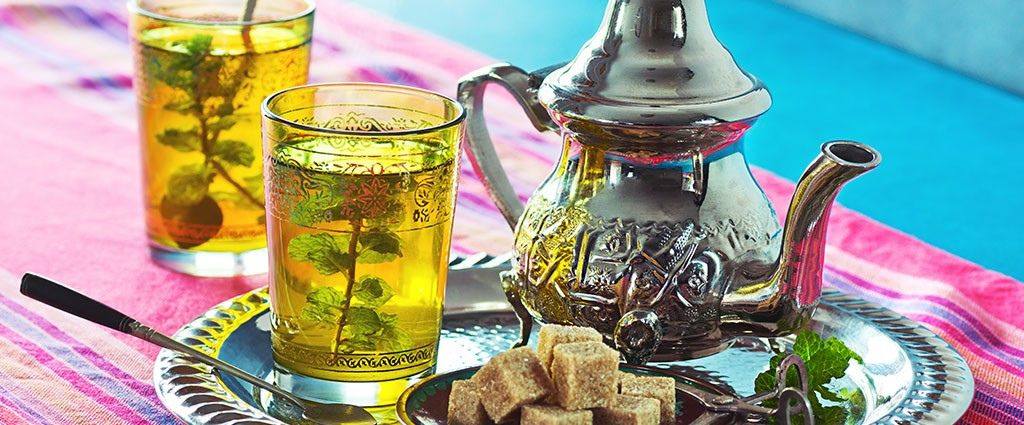
Last but not least, Morocco is also not far from being claimed as a tea-loving country. Atay is a Moroccan mint tea. It is sweet and is often served with minced mint, symbolizing warmth and friendship.
The Ceremony: This ceremonial tea is traditionally prepared by the head of the household, often the man. It involves a dramatic pouring technique. Gunpowder green tea is steeped with generous bunches of fresh spearmint leaves with a sufficient amount of sugar in a specially designed metal teapot (bred). After brewing, the tea is poured into small, decorative glasses from a height. It imparts a frothy head known as ‘crown.’ It is then poured back into the pot, sometimes repeatedly. This is the local process of mixing and aerating the tea.
The tea maker will often repeat the process three times, with each glass of tea said to have a different meaning. The first glass symbolizes ‘as strong as life,’ the second as ‘as strong as love,’ and the third, ‘as bitter as death.’
Significance: Preparing and offering Atay is a Moroccan ritual. They serve to express the politeness, generosity, and respect they carry for the people. Refusing is often treated as impolite here. It is a connecting gesture for a thoughtful conversation and reinforces the bliss of a pure bond.
Conclusion
From Japanese Chado’s meditative silence to the bustling warmth of the Indian Masala Chai walla, tea is amazing. The global landscape of tea traditions is flavorsome. Each cup tells a different story of the richness of philosophy, history, connection, and adaptation of the region.
These global traditions remind us that tea is beyond the scope of being just a beverage. It is an emotional ritual connecting people. Enjoying tea together offers solace and stimulates some great conversations. It is a window to the heart and soul of different global cultures across the globe. So, the next time you sip on your tea, take a moment to reflect on the rich tradition that swirls with your mug. Think about the next tradition you would like to explore.