Quick Summary
Luxury teas are prized for their rarity, craftsmanship, and cultural heritage. This blog explores the world’s most expensive teas, revealing how limited harvests, hand processing, ageing, and historical significance transform select tea leaves into extraordinary experiences.
Exploring the World’s Most Expensive Teas
A refreshing beverage enjoyed globally, tea is a companion to all your moods. Known for culturally enriched values and rich historical significance, drinking tea is indeed a luxurious experience. However, you can delve further into exclusivity with the premium range of tea selections. While certain varieties are widely available and considered ordinary in taste and aroma, there are tea leaves that are grown with special care that cater to your fancy experience.
In this blog, we will explore and learn about all the luxurious tea ranges and the most expensive teas in the world. By understanding the value of the beverage and learning more about the growing techniques, you will be able to select the best of its kind.
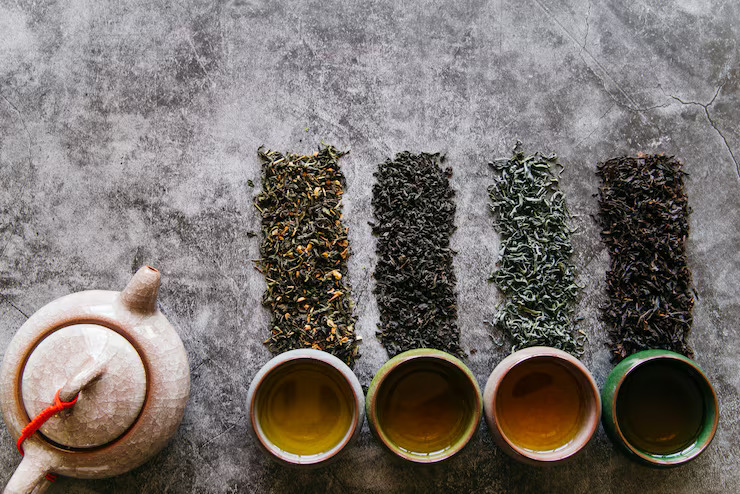
Origins and Legends Behind Luxury Teas
There is a fine tale behind the ordination and cultivation of different kinds of tea in various parts of the world. Every story is unique and narrates the glorious past of tea cultivation and the emergence of the beverage. Learning about the origin of the tea helps you feel connected to your tea drinking experience and take pride in what you consume.
While it can be a daily habit of sipping a warm beverage for some, others consider it a tradition of the household. The alluring and mystique tales and how the family successfully carried forward this tradition to their young ones is a matter of great pride.
For instance, you must have heard of Da Hong Pao. The emperor’s gratitude led to the growth of an extraordinary tea variant! The story of Tie Guan Yin, born from the devotion of a scholar, infused a sense of magic and mystic power into the tea.
While there is no evidence of such happenings, these folklores imbibe a sense of connection and fondness for one’s beverage and show interest in purchasing premium tea ranges. All these stories further add a sense of cultural sentiments, which makes them more than a simple beverage but an excellent mark of craftsmanship, tradition, and reverence.
Among the myriad range of options with different kinds and flavors of tea, some of them stand out as premium for a luxurious experience. The cost of these teas is quite high and is meant for consumption on special occasions. Distinct characteristics and exceptional qualities set them apart. Pu-erh tea is a variety that is fermented in Yunnan and observes a specialized technique of production.
With unique flavors and health benefits, these tea ranges fall under a premium category with the high cost of purchase. Similarly, Gyokuro is a kind produced in Japan and considered an inherent green tea variant.
The umami flavor with a delicate aroma profile makes it a wonderful choice for nostalgic moments. You can savor them with your loved ones on a family occasion after a meal. Gather around the table and soak in the experience, the rare moments of affection and warmth.
Matcha, a powdered green tea, has a delicious essence and numerous health benefits. It is consumed on ceremonial occasions, but also good for happy indulgences in the middle of the boring week. Complexity and diversity are showcased by these various premium ranges of tea. Each with a unique story and background, you simply cannot have enough of them.
Here’s a more detailed account of the top 5 premium tea ranges that are renowned around the world.
1 Tieguanyin Tea: A Rare Oolong Treasure

Belonging to the 19th century, the Tieguanyin tea costs around $3500 per kilogram. Originating in the Fujian province of China, the Tieguanyin Tea is also named after one of the Chinese deities, the Iron Goddess of Mercy.
The processing of such tea is highly intricate and involves a series of steps starting with withering, rolling, oxidizing, and finally roasting. The steps are highly meticulous without the scope of errors, as this can ruin its refined quality and aroma.
Developing a blend of flora to a fruity aroma is not something that’s achieved without minimal effort. The slightly pleasing bitterness gives it a wonderful contrast. Influenced by the terrain of its origin, particularly in the Anxi County of the Fujian province, the distinct climate conditions and composition of soil in this area greatly influence the significant quality, taste and aroma of Tieguanyin Tea.
2. Vintage Narcissus: An Aged Oolong Masterpiece
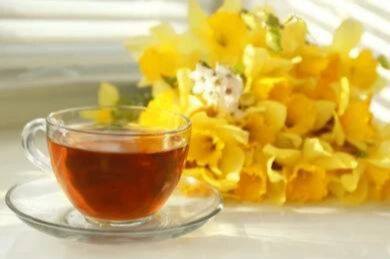
Another expensive kind of tea that is devored during ceremonial events, the Vingage Narcissus is highly esteemed as the highest grade Oolong tea with numerous benefits. Obtained originally from the Wuyi Mountains in China, the name is unique because of its Roman translation.
You must be aware of the Greek mythological character, Narcissus, who was known around the universe for her charm and beauty! Such kind of a tea is associated with the feeling of elegance and endearment characteristic of its name.
The ageing process of Vintage Narcissus is what sets it apart. Some of the tea variants need to be aged for 50 years to achieve their authentic flavor. Hence, this variant of tea is known for its rich and complex taste, which is developed slowly over time.
The complex profile of woody and chocolatey essence often sets it apart. Moreover, the floral notes and the subtle nuttiness in fragrance make it one of the best options for a premium beverage experience.
Each batch of Vintage Narcissus is unique since the flavor developed through ageing depends on the method of storing and processing. Highly valued and rare, this kind of tea is sought after by collectors as well as connoisseurs.
3. PG Tips Diamond Tea Bag: British Tea at Its Most Luxurious

Combining luxury with tradition, the PG Tips Diamond Tea bags rightly define the cultural enrichment. Dedicated to celebrating the 75th anniversary of British Tea Brand PG, the tea bags are intricately handcrafted and priced at $15,000 per tea bag. Exquisite, isn’t it? Adorned with 280 exclusive 2.56 carat diamonds, it is not just a tea bag of fine range tea but a bejeweled symbol of luxury.
Hence, the tea encrusted inside such a jewelry bag is indeed royal with Silver Tip imperial tea leaves. These are cultivated at none other than the Makaibari Tea Estate in India. Known for its high-quality production, the tea is stored in a tea bag with a fine and delicate gold chain. The brewing option is easy while you maintain opulence and aesthetics.
A sign of novelty and luxury, the sale of such premium quality tea bags was promoted to raise money for the Royal Manchester Children’s Hospital, supporting a noble cause. Combining high-end jewelry with a gourmet tea collection, enjoy a brew that is as rare as a treasure and valued by both tea collectors and jewelry enthusiasts.
4. Panda Dung Tea: An Unconventional Luxury Brew
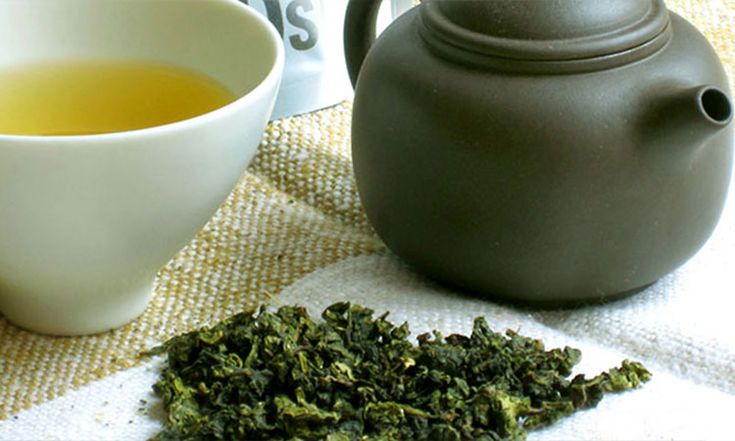
If you wish to try something unconventional but pronounced with a sense of elitism, then the Panda Dung Tea is one of the most expensive variants. It is the exceptional cultivation process that makes Panda Dung so special. Panda Dung is used as a fertilizer in such tea estates.
Initially, the pandas are fed a rich bamboo diet, and then their dung is used as manure for tea. Since pandas absorb only 30% of the total nutrients from their diet, the excreta is rich in the same nutrients and good for tea cultivation.
The method first originated in Sichuan, a province of China, which not only represented a unique style of tea cultivation but also laid stress on a sustainable, eco-friendly measure. The tea has a nutty and malty taste with a pleasant aroma. Drinking such a tea for tea enthusiasts is a narrative of a sustainable and innovative approach encouraged by the world today.
5. Da Hong Pao: The World’s Most Expensive Tea
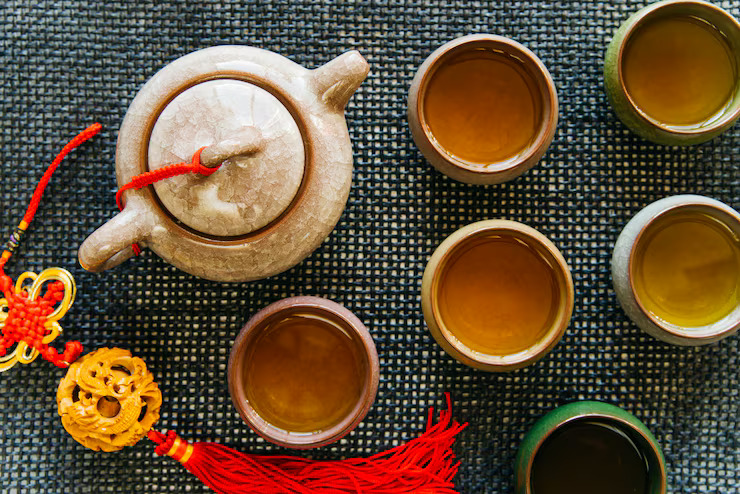
A testimony of royalty, opulence, history, and enrich flavors, the Da Hong Pao tea is priced at $1.2 million per kilogram. It’s so rare to get your hands on this variant that a cup of this tea would cost you $2,400, a symbol of luxury and perfection.
The tea was originally cultivated on the misty elevations of the Wuyi Mountains and traces its roots back to the Chinese Ming Dynasty. Folklore exists that an emperor wrapped his expensive robe around the tea plant to express his gratitude to the greens that cured his mother. And hence its regal status. The area is well guarded and very rarely cultivated, maintaining its high value and exclusivity.
Moreover, the rocky soil and the misty climate on the hills create a unique mineralized taste, which is also called the Yan Yun or rock rhythm. The woody earthy essence is complemented by the sweet undertone of this majestic historical testimony of beverages.
Why Are Some Teas So Expensive
Luxury teas are not priced for mass consumption—they are valued for what makes them rare, meaningful, and irreplaceable. Several factors come together to elevate certain teas from everyday beverages to prized treasures.
1. Rare Growing Regions and Limited Harvests
Many premium teas are cultivated in small, protected regions with unique soil, climate, and altitude conditions. Limited access and restricted harvest quantities make these teas scarce by nature, increasing their exclusivity and value.
2. Labor-Intensive Hand Processing
Unlike commercial teas, luxury varieties are often hand-plucked and processed through intricate techniques. Each step—from rolling to roasting—is performed with precision, where even minor errors can compromise quality.
3. Aging and Storage Over Decades
Some of the world’s most expensive teas improve with age, much like fine wine. Carefully controlled storage over decades allows flavors to deepen and mature, turning time itself into a valuable ingredient.
4. Cultural, Ceremonial, and Historical Value
Many premium teas are deeply tied to royal traditions, religious ceremonies, or folklore. These cultural narratives add emotional and historical worth that goes far beyond taste alone.
In essence, the price of luxury tea reflects not just what you drink, but the craftsmanship, history, and patience infused into every leaf.
Conclusion
Appreciation for premium quality tea goes beyond the practice of consumption. With the tea auction market around the world, the cost of these high-end beverages is likely to rise. Exceptional tea traders and enthusiasts further add to its value.
Further cultural practices and traditions like the Japanese tea ceremony and Chinese gongfu are examples of mindful rituals that contribute to the overall fame and popularity of the luxury tea experience.
Combining tranquillity, tradition, and a sense of pleasure and encouragement, luxury tea drinking is a mindful ritual among individuals. Embodying exclusivity and breathtaking moments, luxury teas have a value that goes beyond their price tags. You do not invest in a beverage but in a holistic experience of well-being and tranquillity—something the best tea selling company curates with care in every blend.